G7 Takes the Lead, Discusses Steps to Stabilise Oil Prices
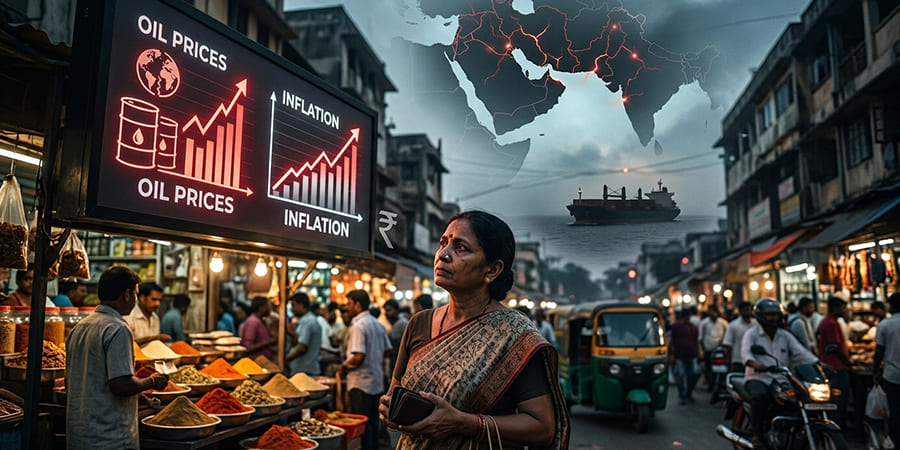
The world is facing a sharp surge in energy prices triggered by ongoing geopolitical tensions, particularly disruptions in oil supply routes. As oil prices climb to record levels, economies are grappling with inflation, supply shortages, and rising costs of living. Energy markets have become highly volatile, affecting both developed and developing nations, and raising fears of a prolonged global economic slowdown.
G7 nations—including the U.S., UK, Japan, and EU members—are taking coordinated steps to stabilise prices. Measures include releasing large volumes of oil from strategic reserves, offering targeted subsidies to vulnerable households, and reducing fuel taxes. Some countries are controlling price hikes, while others are providing direct financial relief or adjusting tariffs. At the same time, leaders are urging nations to avoid export restrictions that could worsen shortages and disrupt global supply chains.
Short-term solutions focus on stabilising supply through coordinated reserve releases and financial support. However, experts emphasise that long-term stability requires reducing dependence on fossil fuels, investing in renewable energy, and improving energy efficiency. Policy coordination between nations and better crisis preparedness are also critical to avoid repeated shocks.
For India, rising global energy prices directly translate into higher fuel costs, inflation, and pressure on household budgets. The government has already taken steps to prioritise domestic fuel supply and increase production of essential fuels like LPG. For common people, the impact is visible in rising transportation costs, expensive goods, and overall financial strain.
A unified global response is essential—combining energy security, fair pricing, and sustainable alternatives. Strengthening international cooperation through organisations like the International Energy Agency can help stabilise markets and ensure equitable distribution of resources.