As The War Looms, India to Face Serious Economic Burdens
The Middle East is witnessing a rapidly escalating conflict involving Iran, Israel, and the United States, now spreading across multiple regions including Lebanon and the Red Sea. What began as targeted military strikes has evolved into a broader geopolitical crisis, disrupting global oil supply routes and increasing civilian casualties. Critical chokepoints like the Strait of Hormuz and Red Sea shipping lanes are under threat, pushing oil prices sharply upward and creating instability in global markets.
Global leaders are responding with a mix of military escalation and diplomatic pressure. Experts suggest that purely military solutions may worsen the crisis. A combination of diplomatic negotiations, ceasefire agreements, and international mediation is essential. Strategies like controlled sanctions, maritime security cooperation, and neutral peace talks could reduce tensions without further destruction.
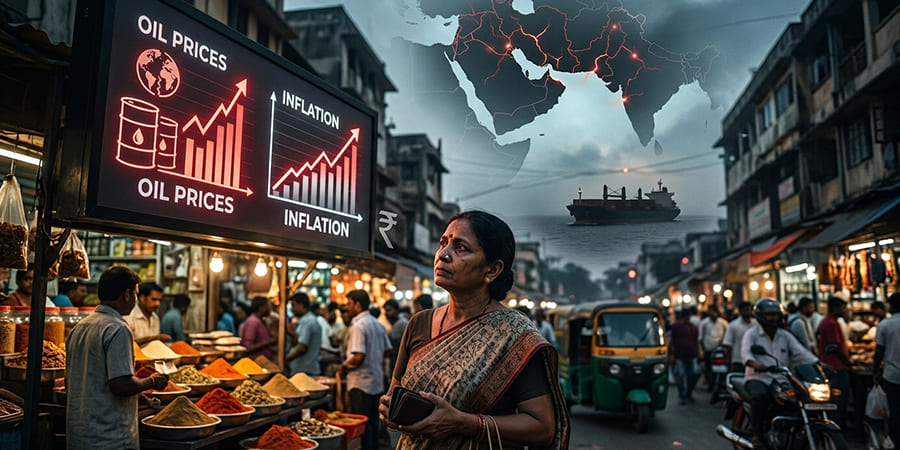
For India, the conflict has serious economic implications. Rising oil prices directly affect fuel costs, inflation, and household expenses. Disruptions in global trade routes may also impact imports, exports, and job stability. For common people worldwide, the effects are felt through higher living costs and economic uncertainty.
A coordinated global response involving the UN and major powers is critical. Ensuring safe trade routes, stabilising oil markets, and prioritising humanitarian aid must be key priorities. This crisis is no longer regional—it is global. Without urgent diplomatic intervention, the conflict risks long-term economic and humanitarian consequences that will affect nations far beyond the battlefield.